Visiting the Prado with kids
Taking children to the Prado Museum might seem like a challenge with all that old painting, but the museum has very powerful arguments in its favour: canvases of colossal size that make a physical impression, Bosch's scenes packed with monsters and fantastical creatures, the irresistible mystery of Las Meninas and the dark drama of Goya's Black Paintings. Under-18s get in free, and with the right planning the visit becomes an experience children remember far longer than expected.
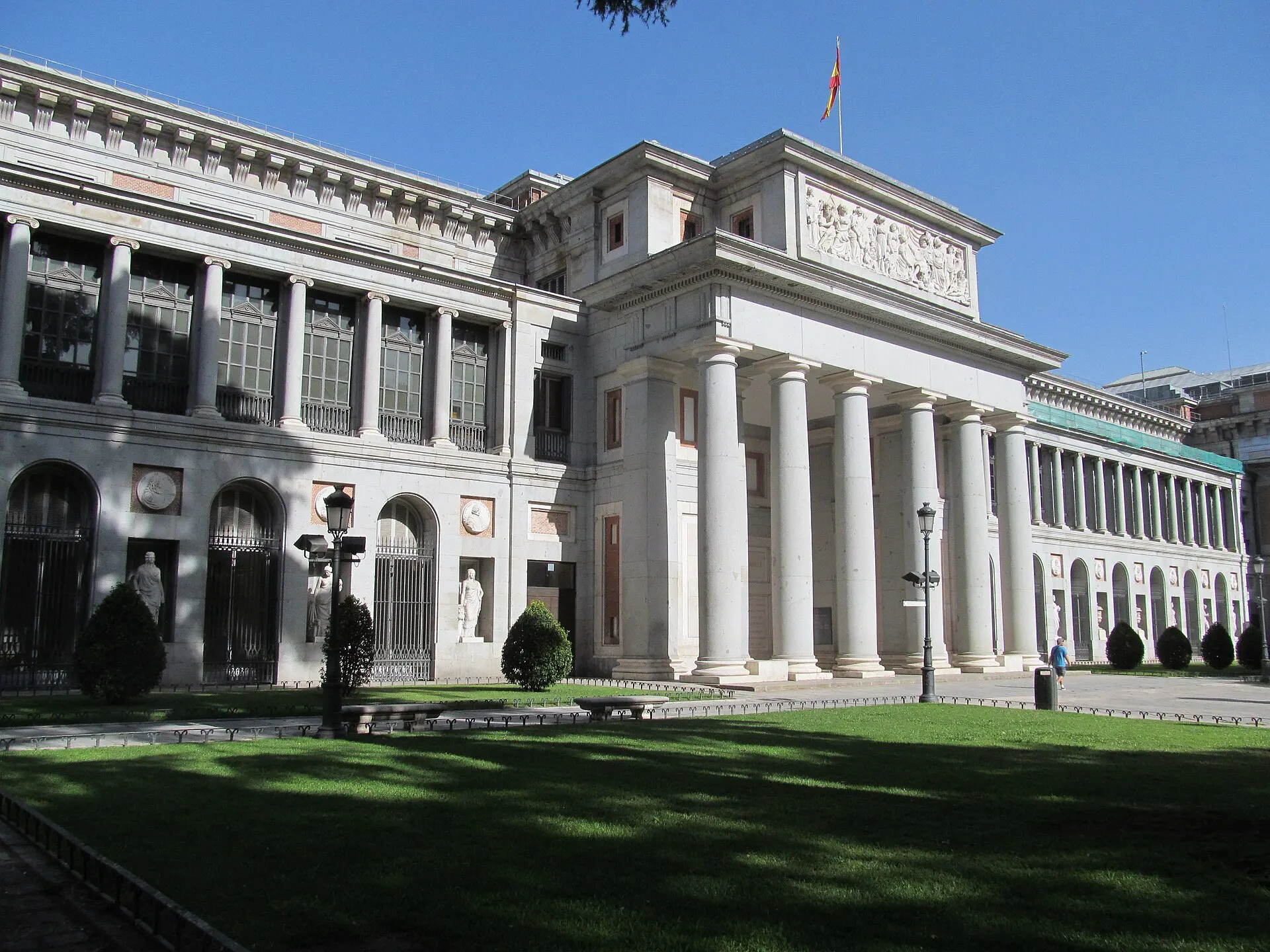
Why classical painting also hooks children
Old painting has an advantage that is often overlooked: it tells stories. Children connect naturally with the narratives in paintings, with the characters, with what is happening. Once the idea that "classical art is boring" is broken, the Prado becomes a giant picture book full of battles, myths, kings, monsters and everyday scenes from other centuries.
The enormous canvases in the Prado — and there are many — also make a physical impression on children: the scale of Velázquez's The Surrender of Breda, the sheer size of Goya's The Third of May or the height of medieval altarpieces are experiences you cannot have anywhere else. And Bosch, with his world of strange figures and impossible scenes, is practically a video game in oil on panel.
The works that captivate them most
- The Garden of Earthly Delights (Bosch, room 056A): Bosch's triptych is the work that fascinates children most at the Prado. The central panel with its strange figures, giant animals and impossible scenes sparks endless conversation. Ask them what they see and let them invent the story.
- Las Meninas (Velázquez, room 012): the mystery of who is looking at whom and the role of the mirror in the background are questions children raise on their own if given time. The Infanta Margarita and her ladies create an immediate emotional connection.
- Saturn Devouring His Son (Goya, ground floor): striking and disturbing, the image of Saturn is one of the most lasting in memory. For children aged 8–9 and above, and with the right context, it opens conversations about fear, violence and art.
- The Third of May 1808 (Goya, floor 1): the execution scene with its dramatic light and emotionally intense composition is easy to read and hard to forget. Provide a brief historical context: the emotion of the painting does the rest.
- The Surrender of Breda (Velázquez, floor 1): the scene of the lances and the gesture of handing over the keys has the narrative clarity of a film. Children tend to ask what is happening: the answer opens a conversation about war, defeat and dignity.
- Dürer — Self-Portrait (floor 1): Dürer's self-portrait, with its direct gaze and almost divine composition, is one of the paintings that generates the most reactions: "it looks like a photograph" is the most common comment from children. A good starting point for talking about portraits and how painters represented themselves.
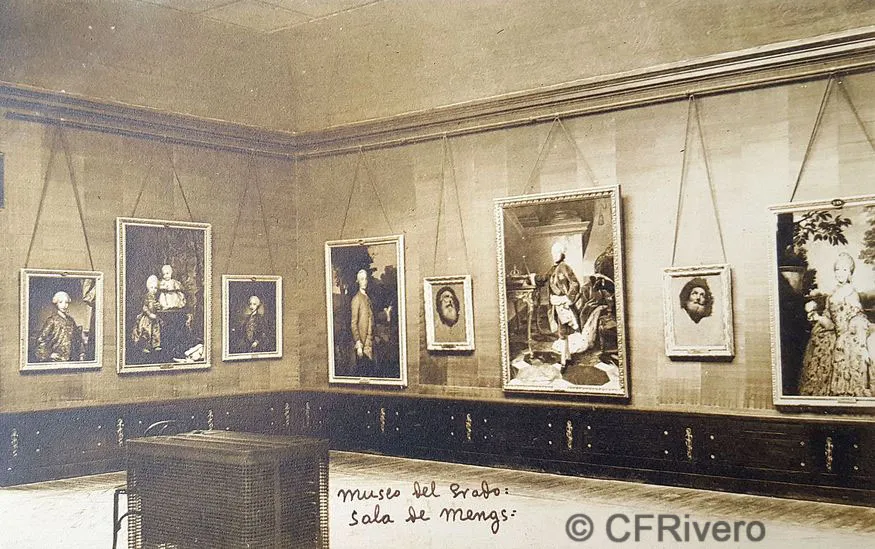
Workshops and activities for families
The Prado regularly offers activities and workshops aimed at families with children of different ages. Weekend workshops allow children to explore the collection through games and creative activities led by the museum's specialist educators. There are also learning tours designed specifically for families, with worksheets and activities to work through during the visit. The programme varies throughout the year; it is worth checking the agenda on the museum's website before your visit to book a place. Family workshops tend to be concentrated on Saturday and Sunday mornings.
Family plan for a day at the Prado
- Arrival and orientation (10:00)Arrive at opening time: fewer people, less noise, and children at their freshest. Pick up the museum floor plan at the ticket desk and decide together what you want to see before heading upstairs. Giving them a say in the choice boosts their engagement.
- Main floor — Las Meninas (30 min)Room 012 is the first stop. Take time in front of the painting and let them ask questions. You don't need to explain the whole history of art; just look and talk about what each person sees.
- Main floor — The Garden of Earthly Delights (30–40 min)Bosch's room 056A is the children's favourite in the Prado, almost without exception. Give it time: let them explore the triptych panel by panel, find the strangest details, invent stories.
- Break and cloakroomIf you have rucksacks or coats, the museum cloakroom is free. A break on the gallery benches or in the courtyard lets everyone recharge partway through the visit.
- Ground floor — Goya (30 min)The Black Paintings, including Saturn, are on the ground floor. For children aged 7–8 and over, these are the images they remember most from the visit. Briefly set the context (an ageing, deaf Goya painting directly onto the walls of his own house) before entering.
Family facilities
- Free admission for under-18s: only adults pay the admission fee (€15 general rate).
- Free cloakroom: leave coats, rucksacks and pushchairs to move freely through the galleries.
- Pushchairs and wheelchairs: the museum is fully accessible; pushchairs are welcome in all rooms.
- Café and restaurant: the Jerónimos Building has a café with children's options and a terrace in good weather.
- Museum shop: prints, illustrated books and creative materials related to the collection — perfect for continuing the experience at home.
The best times to visit with children
Opening time (10:00) is always the quietest. On weekdays, Monday to Friday, the museum is noticeably less crowded than at weekends. If you are going at the weekend, arrive first thing and avoid turning up after 12:00, when school groups coincide with individual visitors. In summer, the free evening slots (18:00–20:00 Monday to Saturday) are also a good option for a cooler, quieter visit.
Book tickets for the whole family
Under-18s get in free; you only pay for the adults. Book in advance to skip the ticket-office queue.
See available tickets →⏳ Time-slot places are limited. Lock in your time · free cancellation.
Frequently asked questions
Do children get free entry to the Prado?
Yes, under-18s have free admission. Only adults pay the ticket price (€15 general rate).
How long does a visit with children take?
With children it is best not to exceed two hours. A well-chosen route through Las Meninas, The Garden of Earthly Delights and Goya's Black Paintings is more than enough for a memorable first visit.
Can you take a pushchair into the Prado?
Yes. The museum is fully accessible and pushchairs are welcome in all rooms. There is a free cloakroom if you prefer to leave it at the entrance.
Which work at the Prado do children like most?
Bosch's Garden of Earthly Delights is virtually unanimous: its strange figures, impossible scenes and endless details fascinate children of all ages.
Content reviewed by the Ticket Visit team · June 2026.
Keep planning
With kids, skipping the queue matters: book a timed Prado Museum ticket and go straight in.